
Signs of Emotional Abuse: How to Recognise Abuse in Relationships”
Many women find themselves questioning their reality — wondering if what they are experiencing is “bad enough” to be considered abuse.
This page will help you recognise the signs of emotional abuse, psychological abuse, and controlling behaviours in relationships, so you can begin to see your situation with clarity and truth.
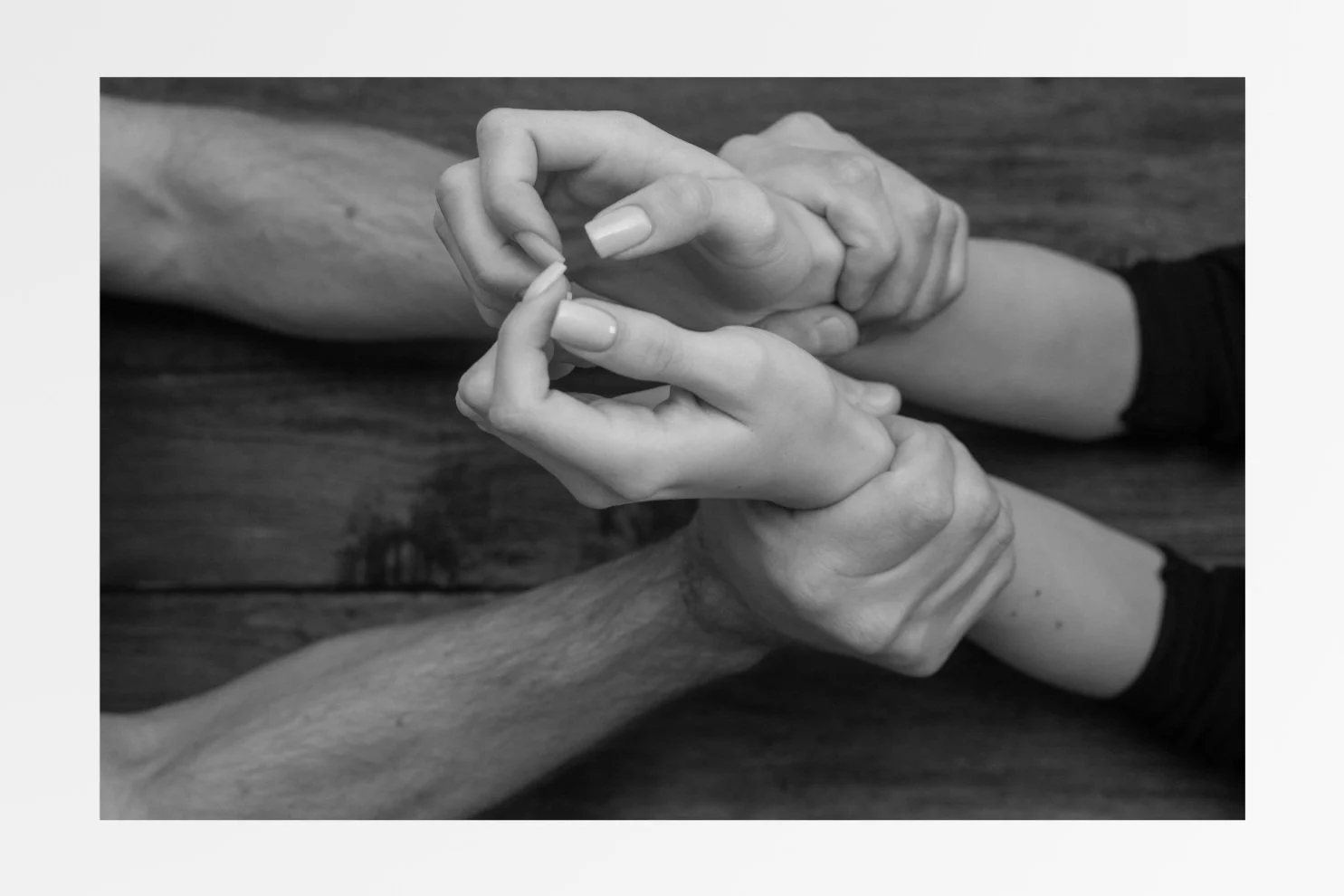
What Emotional Abuse Looks Like
Emotional abuse is not always obvious, and it often doesn’t involve physical harm, which can make it difficult to recognise. Instead, it appears through patterns of behaviour that slowly affect how you think, feel, and see yourself. This may include being constantly criticised, judged, or made to feel “not good enough,” having your feelings dismissed or minimised, being blamed unfairly, or having your words twisted against you. You may also experience control over your choices, time, or relationships, or be spoken to in ways that feel demeaning or emotionally unsafe. Over time, these behaviours can become normalised, even when they are deeply harmful. Emotional abuse often lives beneath the surface — you may not be able to clearly explain what’s wrong, but something doesn’t feel right. It can feel like walking on eggshells, feeling anxious or on edge, constantly questioning yourself, or believing you are “too sensitive” or overreacting.
Confusion is one of the most common and painful parts of emotional abuse, and it often comes from mixed messages — moments of kindness followed by hurtful behaviour. This cycle can make it difficult to trust your own reality, leaving you holding onto the good moments while questioning the bad. You may find yourself trying harder to keep the peace, wondering if you are the problem, or feeling responsible for their emotions and actions. Alongside this confusion, there are often subtle signs that build over time — second-guessing yourself, carefully managing your words, avoiding conflict, feeling uneasy even in calm moments, or fearing their reactions. Gradually, this can lead to a loss of confidence and a disconnection from who you once were. These experiences matter, even if they are hard to explain, and your feelings and instincts are valid.
A pattern of behaviour that gradually undermines your sense of self, confidence, and emotional stability. It often includes manipulation, criticism, confusion, or making you question your own reality, leaving you feeling unsure, anxious, or disconnected from yourself.
Emotional & Psychological Abuse
Gas-lighting and Psychological Manipulation
A form of manipulation where your reality is denied, distorted, or twisted—often through repeated lying or contradiction. Over time, this can cause you to doubt your memory, perception, and ability to trust yourself.
Isolation as a Form of Abuse
A gradual process of being distanced from friends, family, or support systems. This can happen subtly over time, leaving you feeling alone, unsupported, and more dependent on the relationship.
Financial Abuse in Relationships
Control over money or financial resources to create dependence. This may involve restricting access to funds, controlling spending, preventing you from working, or creating financial instability to limit your ability to leave.
Narcissistic Abuse in Relationships
Narcissistic abuse can be difficult to recognise, as it is often subtle, inconsistent, and deeply disorienting. It can involve a mix of connection, confusion, and emotional harm—leaving you questioning yourself while trying to hold onto moments of closeness.
Verbal Abuse
The use of words to hurt, control, or diminish you. This can include insults, criticism, sarcasm, yelling, name-calling, or subtle put-downs that slowly wear down your confidence and sense of worth.
Signs of Physical Abuse
Any use of physical force intended to harm, intimidate, or control. This can range from pushing, grabbing, or restraining, to more severe acts of violence. Even threats of physical harm can create ongoing fear and distress.
Sexual and Reproductive Abuse
Any sexual activity without your full, free, and willing consent, as well as control over your reproductive choices. This can include pressure, coercion, feeling unable to say no, or interference with contraception or pregnancy decisions without your consent.
Coercive Control in Relationships
A pattern of controlling behaviours used to dominate your life and limit your independence. This can include monitoring your actions, isolating you from others, controlling decisions, or making you feel like you have little freedom or choice.
Digital and Technology Abuse in Relationships
Digital and technological abuse involves using phones, social media, or devices to monitor, control, or pressure you. It can affect your sense of privacy, independence, and ability to feel safe both online and in everyday life.
Abuse Is a Pattern, Not a Single Event …
Abuse is often not just one behaviour — it’s a pattern.
Emotional abuse, control, and manipulation often exist together, making it harder to recognise what’s really happening.
This is why it can feel so confusing — because it doesn’t fit into one clear category.
Why Emotional Abuse Is Hard to Recognise
There are often moments of kindness, love, or apology mixed in.
This can create hope, attachment, and emotional confusion — making it difficult to fully see the pattern.
You may find yourself focusing on the good moments, trying to understand, or wanting things to go back to how they were.
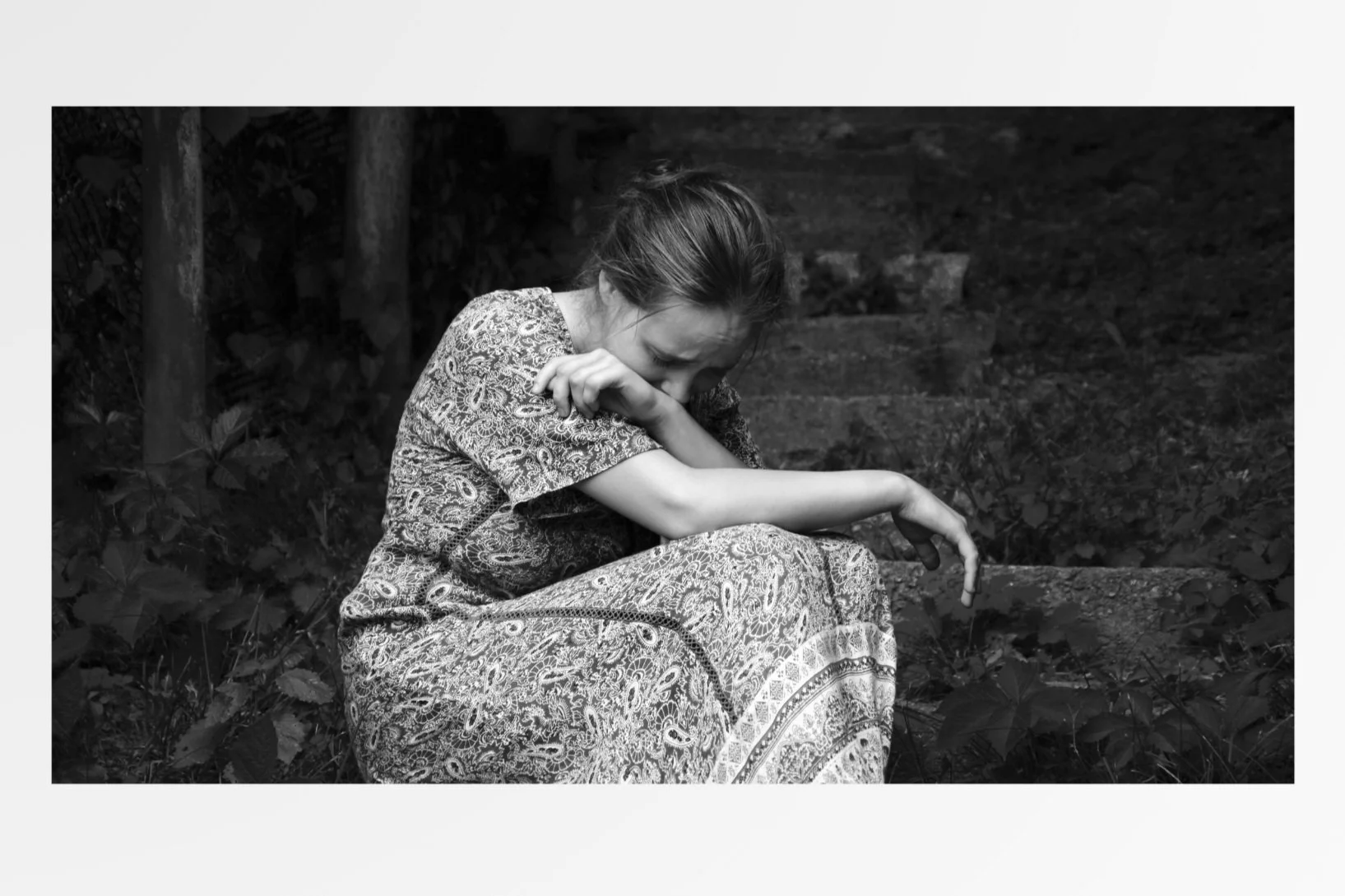
Emotional Effects of Abuse on Your Mental Health
Over time, these experiences can begin to shape how you feel about yourself. You may find yourself feeling anxious or constantly on edge, questioning your thoughts and decisions, or carrying a quiet sense of emotional exhaustion. There can also be a growing disconnection from who you once were, as if you’re slowly losing touch with your sense of self.
These responses are not a weakness—they are a natural and understandable response to what you’ve been living through.
How Abuse Affects You Emotionally and Mentally
People Pleasing
People-pleasing is a pattern of putting others’ needs, feelings, and expectations before your own—often at the expense of your well-being.
Over time, it can lead to self-doubt, emotional exhaustion, and a growing disconnection from your own voice and needs.
Being Highly Empathetic
Being highly empathetic means you feel deeply, care deeply, and naturally tune into the emotions of others.
While this can be a strength, it can also leave you vulnerable to overgiving, emotional overwhelm, and losing connection with your own needs.
Co- Dependency
Co-dependency is a pattern of relying on another person for your sense of stability, worth, or identity—often while placing their needs above your own.
Over time, it can lead to emotional exhaustion, blurred boundaries, and a loss of connection with yourself.
PTSD
Post-traumatic stress (PTSD) can develop after experiencing ongoing stress, fear, or harm. It can affect how you feel, think, and respond to the world around you—often in ways that feel overwhelming or difficult to understand.
CPTSD
Complex post-traumatic stress (CPTSD) can develop from ongoing or repeated experiences of emotional harm, fear, or instability—especially within relationships. It can affect how you see yourself, your emotions, and your sense of safety over time.
Frequently Asked Questions About Emotional Abuse
Q1:
What are the signs of emotional abuse in a relationship?
Answer:
Emotional abuse can include constant criticism, manipulation, gaslighting, control, and making you feel “not good enough.” It often leaves you feeling anxious, confused, or unsure of yourself over time.
Q2:
How do I know if I’m in an abusive relationship?
Answer:
If you feel like you’re walking on eggshells, questioning your reality, or constantly trying to avoid conflict, these can be signs of an abusive dynamic. Abuse is often about patterns, not just one event.
Q3:
Why is emotional abuse so hard to recognise?
Answer:
Emotional abuse is often mixed with kindness, love, or apologies. This creates confusion and makes it harder to see the pattern clearly.
Q4:
Can abuse happen without physical violence?
Answer:
Yes. Emotional, psychological, financial, and controlling behaviours are all forms of abuse, even if there is no physical harm.
Q5:
What should I do if I think I’m being abused?
Answer:
You don’t have to figure it out alone. Reaching out for support, learning more about your situation, and speaking to someone safe can help you begin to understand what’s happening.
“If you’ve ever searched ‘am I in an abusive relationship?’ or ‘why do I feel confused in my relationship?’, you’re not alone.”